What Do You Stand For, and How Would You Know?

“A journey of a thousand miles begins beneath the feet.” (1)
Verse 64 of the Tao Te Ching suggests that something essential begins before the first visible step: your orientation. When you act with integrity, when you’re grounded in who you are, you don’t just move. You move in a direction that makes sense.
When you know what you stand for, you gain clarity about what to do next. What grounds you are your beliefs, your values, and the character you practice, working together like an inner compass that keeps you from going off course.
Think of an old stone house that has endured for centuries. From the outside it looks impervious to severe weather and the wear and tear of time. What you don’t see is what matters most: the foundation beneath it that holds everything together.
As humans, we develop principles and qualities that support our integrity, help us function in society, and allow us to contribute through our creativity and uniqueness. What you stand for may connect you to a group (cultural, political, religious), or it may set you apart in a way that distinguishes you. Either way, it shapes your choices and your impact.
Do you know the qualities that support your integrity—your foundation in life?
There are many things that define our humanity. What follows are qualities that shape our moral choices and our personal leadership.
Character Traits
Your character traits reveal what you value and believe through your regular behaviours. They’re like windows: people can often see who you are through what you repeatedly embody.
Here are some commonly described “positive” traits:
Kindness, peacefulness, love, optimism, tolerance, cooperation, adventure, ambition, enthusiasm, confidence, trust, curiosity, resourcefulness, and leadership.
And because we’re human, we can also embody traits that get us into trouble:
Rudeness, impatience, disrespect, greed, cruelty, unforgiveness, pessimism, judgement, and argumentativeness.
Core Values
Your values are what you judge to be most important in life: what you protect and prioritize, and what will cause you stress when you compromise. There’s no universal list you’re “supposed” to choose from. The point is meaning: what speaks to your purpose, your relationships, your integrity.
Your values can change over time as your relationships change, as your career changes, and as you grow and evolve. But at any given time, they still act like a roof: they protect and guide your choices.
How do you know when you’re living your values?
What are you doing and saying when you’re in alignment with them? And when you’re not aligned—what do you find yourself doing, tolerating, or avoiding?
We look to our values as a compass. When you’re uncertain, you can ask: If I choose this, will I be in alignment with what matters most to me, or in conflict with it? Knowing your values helps you stay in honest alignment with your truth.
Returning to the house metaphor: values are like the level used in construction. If you want the structure to last, you build on something solid and true.
Staying true to your values is demonstrated by choices that support what you believe in across the key areas of your life. If you don’t know why you believe what you believe, you can end up with a disconnect in your decision-making, causing stress, frustration, and reactivity, because you don’t have the clarity that comes from examined values and beliefs.
Beliefs
What do you believe about money, love, relationships, career, health, sex, fun, identity, and freedom?
Beliefs are like the walls of a house. They shape what you notice, how you interpret what’s happening, and how you respond. Knowing what you believe, and why, helps you navigate new situations without losing direction.
Where did your beliefs come from?
Most of us rarely examine why we believe what we do. We might think we know what we believe about money, sex, or love, but if you drill down into the real “why,” you may realize you’ve never fully decided what these things mean to you.
For example, I used to believe that money is readily available and abundant in my life. However, I used to experience stress and frustration around what I perceived as a lack of money. This told me I needed to examine where this belief came from and refine it so that it would serve me. My new belief is that money is a free and easy exchange for the value of my ideas and service to others through coaching and writing. The more value I create that impacts others, the greater my financial reward. That feels easy and liberating because I know the value of my work, and I believe in what I do.
It’s likely that many of your beliefs were taught to you, often in childhood by parents, or later adopted from social groups as a way to fit in and feel accepted.
What you stand for isn’t revealed by your intentions. It’s revealed by your patterns of behaviour, especially when you’re tired, stressed, or feeling disconnected. That’s why this work matters: it’s not about self-improvement. It’s about understanding your humanity in relation to the collective good.
A warning about uncritically held beliefs
Without purpose—without a clear understanding of what you believe and why, and without values you can use to choose with integrity—what protects you from going down the wrong path?
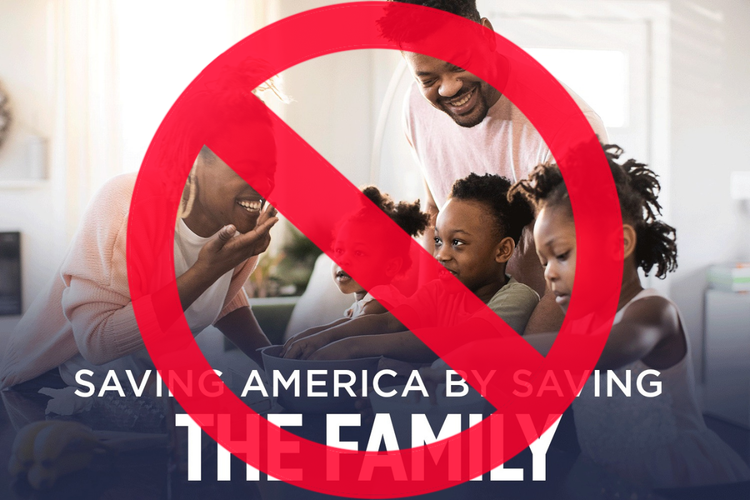
If someone presents you with an appealing framework for life that seems to solve all your problems, what happens when you discover the solution depends on the belief that another group of people is less deserving?
We see this in fundamentalist religious ideologies that polarize and dehumanize through anti-Muslim, antisemitic, and anti-LGBTQ dogma; in radicalized groups that espouse white supremacy; and historically, in Nazi ideology and the “final solution.”
These examples may seem extreme, but indoctrination, the gradual acceptance of unexamined beliefs, rarely happens all at once. Those who seek to shape others through ideology often look for young or uncritical thinkers, and for people who don’t yet know what they stand for. These are conditions for an easily manipulated mind.
Remember: most of us inherited our beliefs before we were old enough to evaluate them. That’s normal. The danger is never revisiting them as adults.
If you want support clarifying what you stand for—and living it—I offer a 4-session Discernment Sprint (4–6 weeks) to help you get clear on what you stand for, make decisions you can stand behind, and act with conviction and care. Contact me here with a short note on what you’re facing, and I’ll get back to you with all the details.
(1) Lin, Derek, trans. Tao Te Ching: Annotated & Explained. Vermont: Skylight Paths, 2011.




Member discussion